


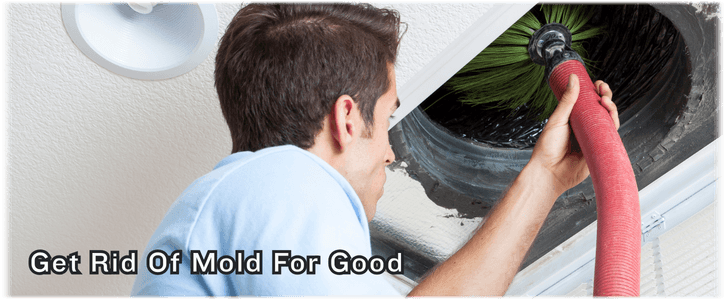
Houston’s humid climate makes moisture control essential, and professional air duct mold removal in Houston, TX helps homeowners address contamination inside their ventilation systems. When moisture enters ductwork, mold can develop on suitable surfaces and surrounding materials. Consequently, homeowners may notice musty odors, suspicious discoloration, or recurring humidity problems. Our team helps identify affected areas, evaluate moisture sources, and recommend appropriate cleaning solutions. From Memorial and Bellaire to The Heights, we help homeowners maintain cleaner HVAC systems. Call (346) 658-4804 today to discuss your concerns.
Professional Air Duct Mold Removal in Houston, TX
Your home’s ductwork carries conditioned air between rooms. However, moisture problems can create conditions that encourage microbial growth inside ventilation components.
Our air duct mold remediation approach begins with a careful assessment. First, technicians examine accessible duct sections and identify suspicious contamination. Next, they investigate potential moisture sources and evaluate affected materials.
Additionally, our team considers duct insulation, condensation, and damaged connections. These factors can contribute to recurring problems.
We recommend appropriate cleaning or replacement methods based on the findings. When extensive contamination requires specialized containment, we recommend qualified remediation professionals.
Signs of Mold Problems Inside Air Ducts
Mold contamination can develop in hidden areas, making early detection challenging. Fortunately, several warning signs may indicate moisture-related problems.
Persistent musty odors: Unpleasant smells near supply vents may indicate contamination somewhere within the HVAC system.
Visible discoloration: Unusual patches around vent openings deserve further evaluation.
Excessive condensation: Moisture collecting around duct surfaces can encourage microbial growth.
Damaged insulation: Wet or deteriorating materials may retain moisture and support contamination.
Recurring water leaks: Roof or plumbing problems can introduce moisture near ductwork.
However, these signs do not automatically confirm mold. A professional air duct mold inspection helps determine whether suspicious materials require additional evaluation.
Furthermore, homeowners should avoid disturbing suspected contamination without appropriate protective measures.
Why Houston Homes Face Greater Mold Risks
Houston experiences long periods of high humidity, frequent rainfall, and heavy air conditioner use. Consequently, moisture management becomes especially important for residential duct systems.
Many homes in River Oaks, West University Place, and the Energy Corridor contain ductwork inside hot attic spaces. Poor insulation or damaged vapor barriers can contribute to condensation.
Additionally, seasonal storms may expose roofing weaknesses and introduce moisture around ventilation components.
Older homes near Montrose and The Heights sometimes have aging duct connections or deteriorating insulation. Meanwhile, newer properties can experience moisture problems when installers overlook proper sealing.
Professional HVAC mold removal may help address confirmed contamination within suitable system components. However, correcting the underlying moisture source remains essential for lasting results.
Our Air Duct Mold Removal Process in Houston, TX
We follow a careful approach that prioritizes accurate evaluation, appropriate cleaning, and moisture prevention.
First, technicians inspect accessible ductwork and identify visible contamination or moisture damage. They also evaluate nearby HVAC components for possible contributing problems.
Next, our team determines whether the affected materials support effective cleaning. For example, technicians may clean certain nonporous surfaces using suitable professional procedures.
However, contaminated porous duct liners or insulation may require replacement. Cleaning alone may not adequately address deeply embedded growth.
Additionally, air duct sanitizing should never replace physical contamination removal or moisture correction. Chemical treatments require careful evaluation and appropriate product authorization.
Finally, we explain our findings and recommend practical preventive measures.
Protecting Your HVAC System From Recurring Mold
Effective prevention starts with controlling moisture around ventilation components. Therefore, homeowners should address water leaks and condensation promptly.
Regular ductwork inspection can identify damaged connections, deteriorating insulation, and visible moisture concerns.
Additionally, AC coil cleaning helps maintain appropriate cooling equipment performance when dirt buildup requires attention.
Professional air duct cleaning addresses certain debris deposits, while attic cleaning removes unwanted materials from surrounding spaces.
Furthermore, maintaining indoor humidity below 60% helps discourage microbial growth. Proper drainage and suitable insulation also support moisture control.
These measures work together to protect your ventilation system and reduce recurring contamination risks.
Benefits of Addressing Duct Mold Early
Early action helps homeowners identify moisture problems before contamination spreads to additional materials.
For example, prompt repairs can prevent continued water intrusion. Likewise, appropriate mold removal from air vents can address confirmed contamination around accessible openings.
Professional evaluation also helps distinguish ordinary dust from suspected microbial growth. Consequently, homeowners can avoid unnecessary treatments and focus on actual problems.
Ultimately, proper remediation combines contamination removal, moisture correction, and ongoing maintenance.
Frequently Asked Questions
Can mold inside air ducts spread through my HVAC system?
Yes. Airflow can carry mold spores and particles from contaminated duct surfaces into connected spaces. However, the extent depends on system conditions and contamination levels. Professional evaluation helps determine appropriate corrective action.
Can regular air duct cleaning completely prevent mold?
No. Routine cleaning cannot eliminate the moisture conditions that encourage mold growth. Homeowners must also repair leaks, control humidity, and address condensation. Additionally, contaminated porous duct materials may require replacement.
When should Houston homeowners request air duct mold removal?
Homeowners should arrange an evaluation when they notice visible suspected growth, persistent musty odors, or recurring moisture around ductwork. Early attention can help prevent additional damage. For professional air duct mold removal in Houston, TX, contact our team to discuss your concerns and schedule an inspection.
Schedule Your Houston Air Duct Mold Service Today
Don’t ignore persistent odors, suspicious duct contamination, or moisture problems that could worsen over time. Our team provides careful evaluations, clear recommendations, and practical solutions for Houston homeowners. Call (346) 658-4804 today to discuss your concerns and arrange an inspection before moisture causes additional damage. Take action toward a cleaner ventilation system with professional air duct mold removal in Houston, TX